
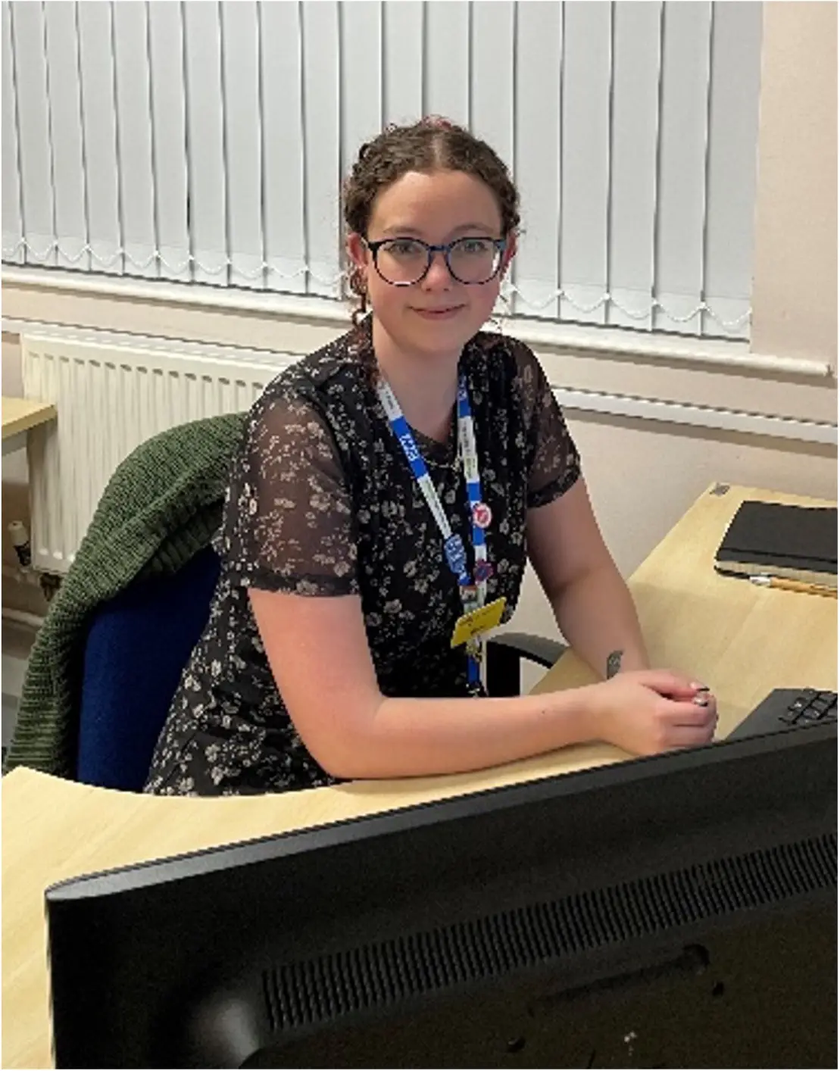
I wanted to take on this apprenticeship to further my knowledge and skills in HR as I already worked in the Trust, but my background was in other areas.
I joined CUH after completing my master’s as a traditional student, which gave me skills to progress in my role. However, I felt having a better understanding of HR processes and information would be beneficial which is why I decided to complete an apprenticeship.
There are advantages to both traditional study and apprenticeships as I have done both routes, but for apprentices I think the ability to see the information you have learnt in industry is really beneficial. The learning also centres around your work so you can see the advantages it has on your jobs as well as how it could support you in wider industry.
Why do you think that CUH are a good employer for apprenticeships?
CUH offers a range of apprenticeships not just for nursing or clinical staff but also the sciences, admin and estates. The Trust provides extensive opportunities for staff to continue learning throughout their careers. Support is also offered throughout an apprenticeship to ensure you are completing the work okay; the departments are supporting you and the training provider is teaching you the content.
What does a typical day look like and what do you enjoy about your role?
My days involve answering emails with a range of queries surrounding science apprenticeships and supporting our current apprentices. I also have one to one catch up meetings, so our direct entry science apprentices have someone to talk to about how their course is going and to ensure any issues are being dealt with quickly.
I enjoy being able to see the science apprentice grow in confidence and develop skills they can utilise in their careers. Seeing them though their first apprenticeship and then where they go afterwards whether it be onto a degree apprenticeship or into other roles within the Trust is great.
What sorts of things do you do for the off the job learning aspect of your apprenticeship and does this involve attending college or is it all completed at work?
I meet regularly with my tutor on-line where we discuss my progress, and she sets me the tasks I need to complete. For my off the job hours I complete my coursework, along with attending lectures on the different units we are learning about. I have also attended some mock online employment tribunals and other webinars, plus I have shadowed other members of staff in different areas of the Trust, such as HR, to learn about their work.
How have your department supported you within this apprenticeship? My department has been very supportive, taking part in recorded meetings for my assignments or completing personality test for me to use as data. My manager has checked in to see how I have been getting on with the course work and has offered extra time when I am free to work on assignments.
What are your future intentions?
I would like to use the skills and knowledge I have gained from my apprenticeship to help with my role but also build it to take on new responsibilities.
Many apprentices bring unique perspectives or experiences to their roles (for example neurodiversity, ethnicity, faith, or personal circumstances). Is there anything about your personal background or identity that you feel has influenced and/or strengthened your apprenticeship journey?”
I am dyslexic and that can make it harder when looking at long policies that I need to read. With my apprenticeship I feel more confident doing this as I understand the language more and the necessity for having policies and procedures in a range of areas. An advantage is that I can support other apprentices who are neurodiverse by explaining processes or situations in different ways. I also think more creatively so I can think of different ways of problem-solving situations to help support my team.
What advice would you give to others who may be looking to take on an apprenticeship?
Take different opportunities outside of the training provider to learn, attend webinars by different organisations or shadow in other teams. It will help you think about the course content in different ways and show you a range of directions your career might progress in which you might not have considered before.